Building in Belle Meade, Forest Hills & Green Hills
Reviewed by Patrizio Murdocca, Founder of May Construction
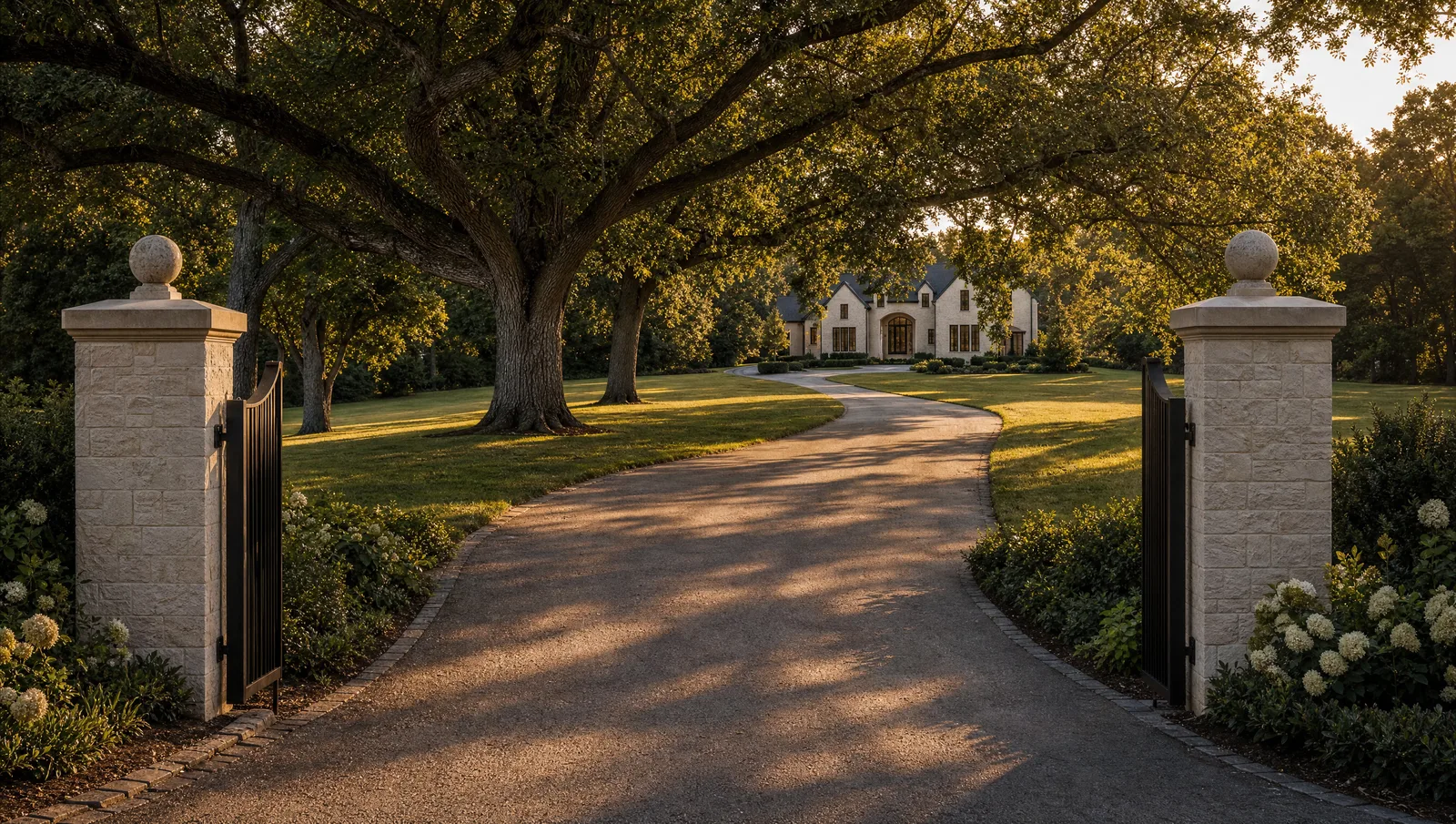
Belle Meade, Forest Hills, and Green Hills sit within a few minutes of each other on Nashville's west side, and each asks something different of a custom build. Belle Meade is estate-scale from the first sketch. Forest Hills is wooded acreage inside its own small city. Green Hills is where a dated ranch comes down and a new home goes up on the same footprint. Your choice among the three changes the budget, the design brief, and even which office reviews your permit.
Key takeaways
Belle Meade is almost entirely estate-scale. Custom builds there typically run $2.5M to $6M, and most start with a dated house being replaced rather than renovated.
Forest Hills is a separate incorporated city built around wooded acreage. Builds typically run $1.5M to $3.5M, often on land a family has held for years.
Green Hills is teardown-and-rebuild territory. Projects typically run $1.5M to $3M, and rebuilding on an existing footprint keeps scope more predictable than starting from raw land.
The permit path differs. Belle Meade and Forest Hills review plans through their own city offices, while Green Hills permits go through Metro Nashville.
The starting point never changes. Every May project in these neighborhoods begins with a site walk and a feasibility review before anything is designed.
Belle Meade: the original estate address
No Nashville address carries more weight. Belle Meade's streets (Chickering, Page, Jackson) run deep under century oaks, and its homes sit far back on lots that have held their value for generations. The country club and Cheekwood are minutes away, yet the neighborhood keeps its own quiet.
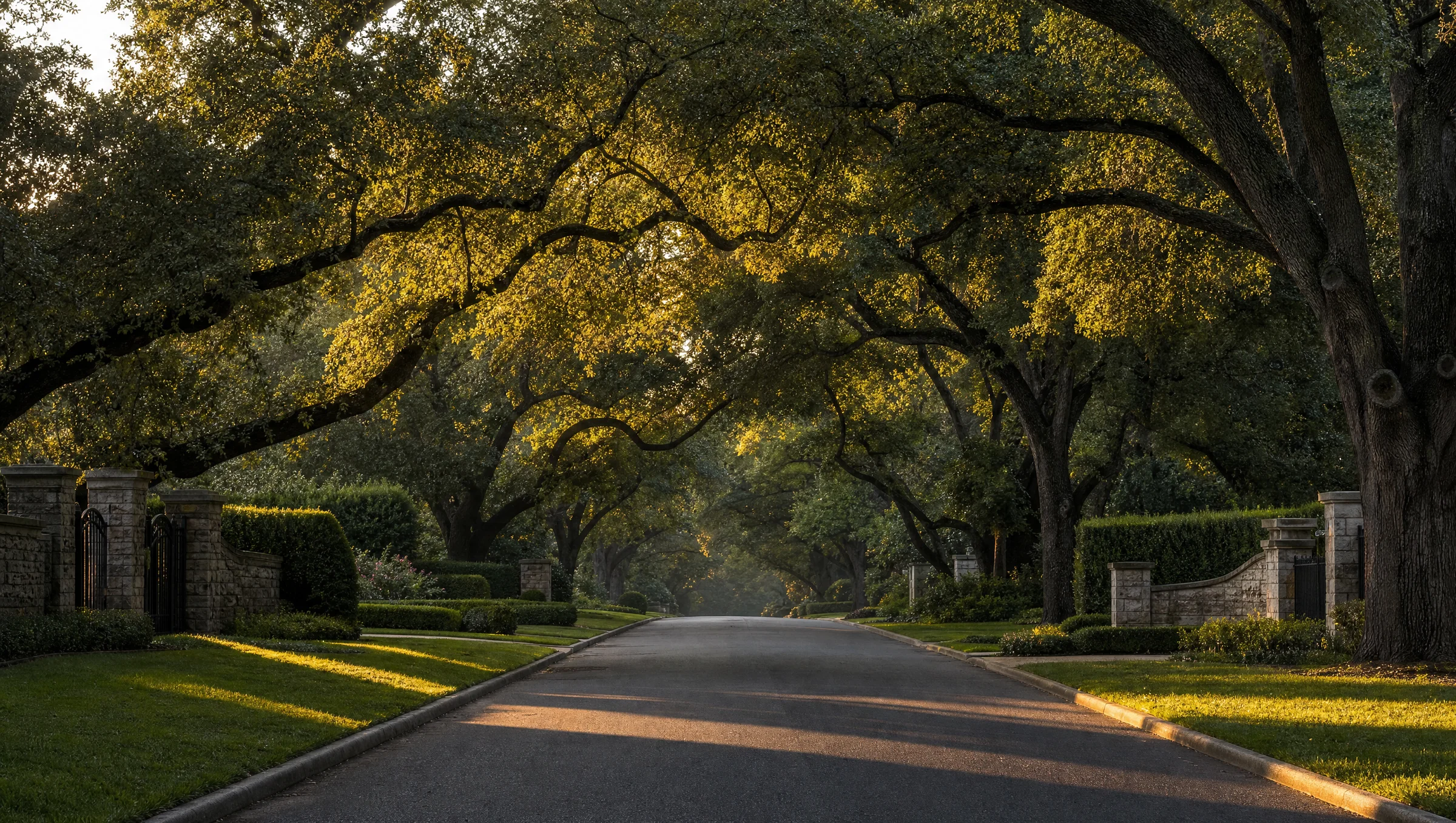
It's also its own incorporated city, with its own zoning and its own plan review. That independence is part of why the streetscape has held its character for so long, and it's the first thing to plan around when you buy a lot here.
Most builds start with a teardown. Lots are large and private, often with a house on them that has outlived its floor plan. Replacing that house rather than renovating it is a normal start for us.
The scope is estate-scale. Buyers move here for the pedigree and the privacy, then build something that finally matches both. Custom builds in Belle Meade typically run $2.5M to $6M depending on lot size, scope, and finish level.
Deep setbacks shape the plan. The neighborhood's character comes partly from how far homes sit from the street, so placement and massing matter as much as square footage.
There's more on the Belle Meade page, including how owner lots work here.
Forest Hills: wooded acreage, minutes from everything
Tucked between Belle Meade and Green Hills, Forest Hills is its own small city: no retail corridor, no through-traffic, just winding roads and wooded acreage that in places backs straight up to Percy Warner Park. Privacy is the whole point of building here.
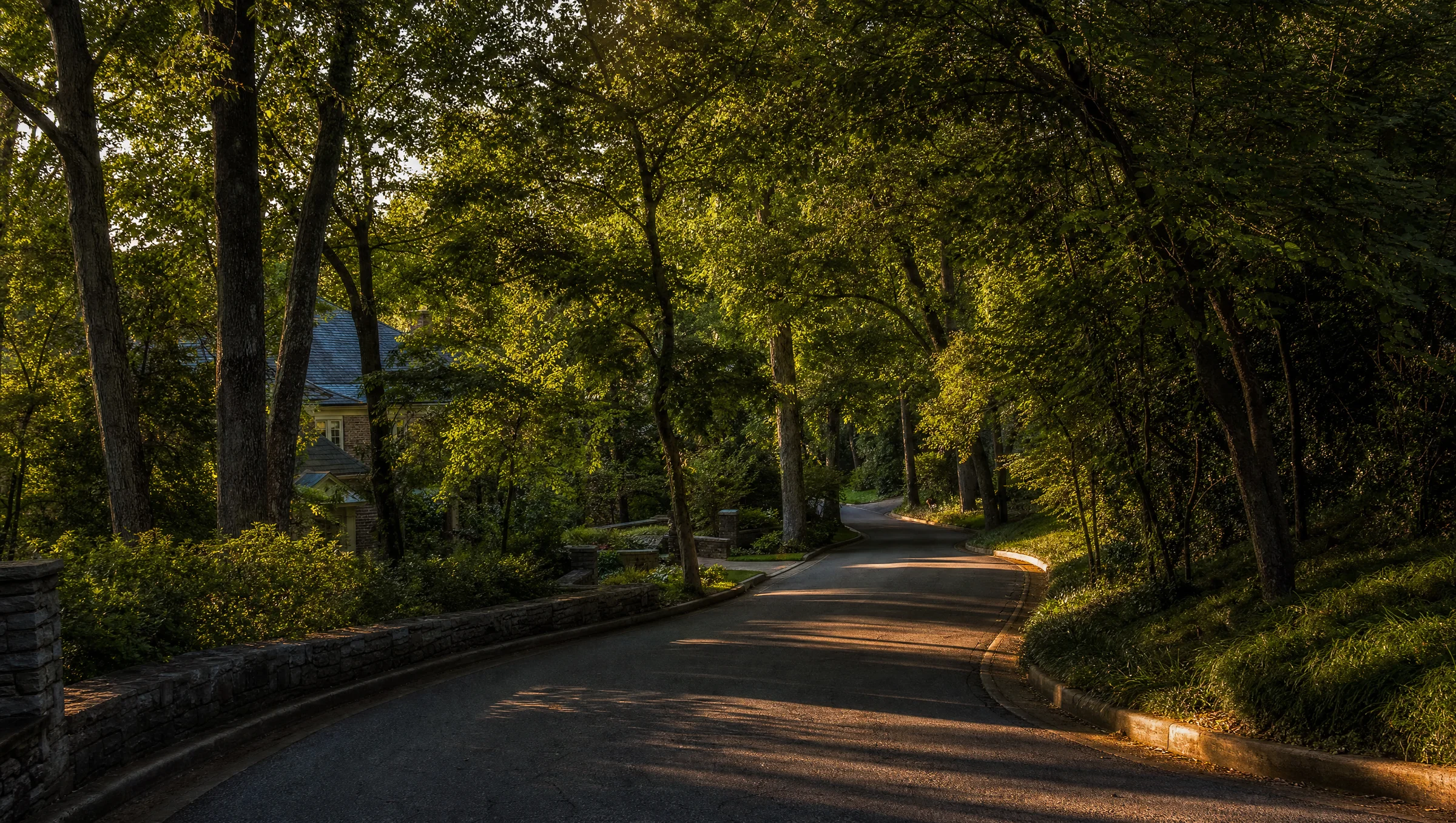
Like Belle Meade, Forest Hills governs itself. Building here means working within the zoning and review process run by the City of Forest Hills itself, not Metro's. Confirm what applies to your parcel before you fall in love with a plan.
Homes disappear into the tree line. They settle back into the woods rather than announce themselves from the street. Designing to the trees (not through them) is the point.
Client-owned land is common. Lots here are often held by a family for years before they build. The site walk confirms what the acreage and setbacks actually allow.
The land can carry more house than the quiet reputation suggests. Builds typically run $1.5M to $3.5M, and the larger wooded lots will support an estate-scale home when the site calls for it.
The Forest Hills page covers the neighborhood in more detail.
Green Hills: Nashville's most convenient rebuild
Green Hills trades acreage for convenience. The Mall at Green Hills, Whole Foods, Belmont, and Vanderbilt all sit within a short drive, and streets like Tyne and Hobbs mix midcentury survivors with brand-new custom homes, often next door to each other.
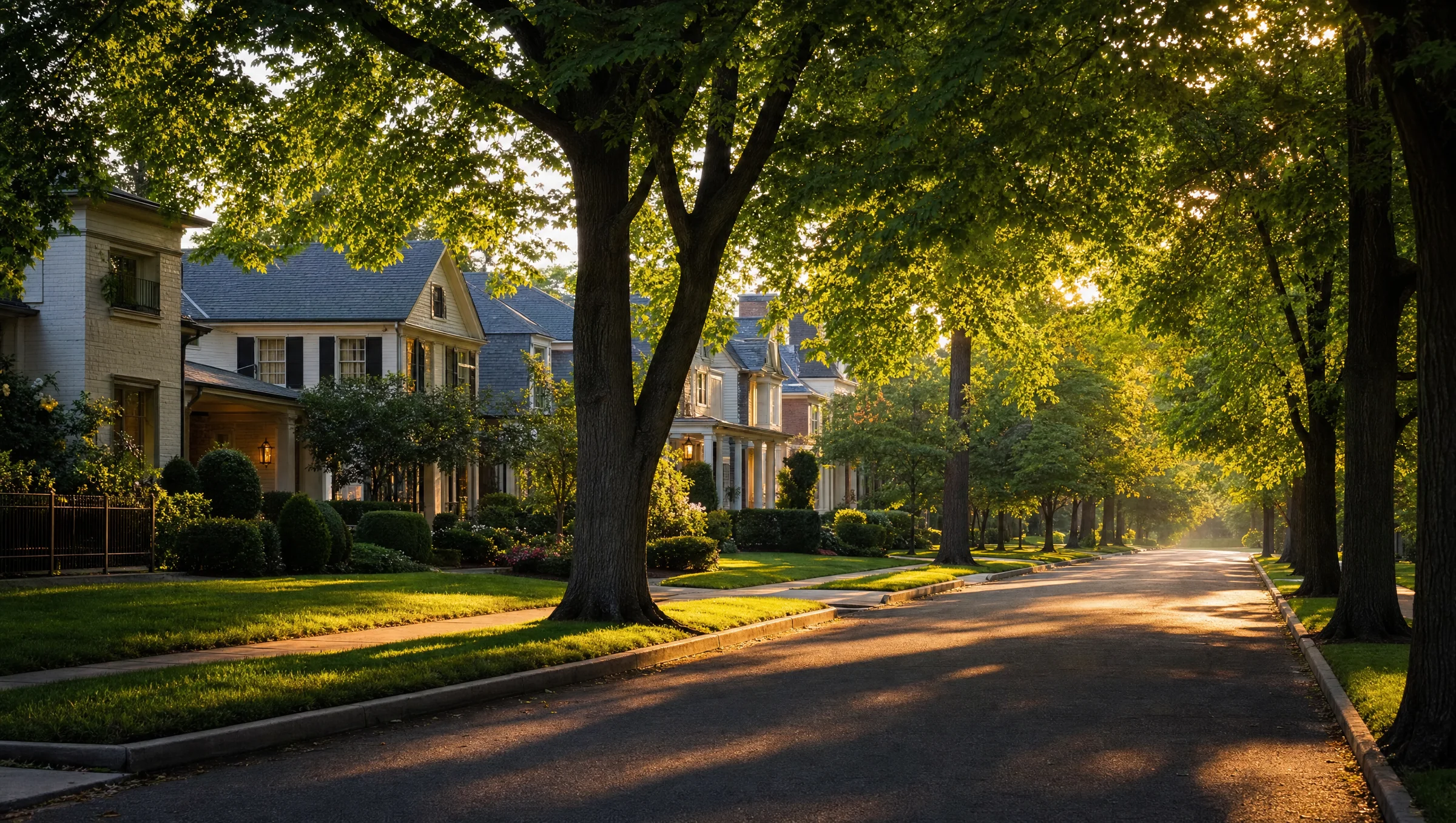
Unlike its two neighbors, Green Hills is part of Metro Nashville. Residential building permits run through the Metro Nashville Codes Department, the same office that reviews projects across the rest of the county.
Most builds are teardown-and-rebuilds. The neighborhood's older ranch and Cape Cod lots are prime candidates, and most buyers are trading a smaller, dated house for a new one on the same footprint. We handle the demolition, permitting, and site work as part of the build.
It's less about acreage and more about the street. Homes here are sized to fit the neighborhood's smaller, in-demand lots rather than stretch past them.
A known footprint keeps scope predictable. Projects typically run $1.5M to $3M, and rebuilding where a house already stands removes much of the uncertainty of a raw-land build, one reason Green Hills makes a strong first custom project.
You'll find the full picture on the Green Hills page.
Three neighborhoods, two permit paths
This is the difference buyers miss most often. Belle Meade and Forest Hills are separately incorporated cities inside Davidson County, each with its own zoning code and its own review. Green Hills answers to Metro Nashville. The same set of drawings can face a different reception depending on which side of a boundary line the lot sits.
You shouldn't have to become an expert in any of them. Our plans leave design permit-ready: Patrizio reviews every version personally before sign-off. Then we submit the permit package and the four utility applications that clear the project for build. Review itself can take anywhere from a few days to a few months depending on the municipality, which is one reason no phase of a May build starts before the one before it is actually finished.
One check worth running wherever you build: Tennessee licenses contractors at the state level, and you can verify any builder's standing through the Tennessee Board for Licensing Contractors before you sign anything. We'd give you the same advice if you were interviewing someone else.
How to choose between the three
Start with what you already have. If you own a dated house on a street you love, the rebuild path is the natural one. It's most common in Green Hills, though it happens in all three. If privacy and land top your list, Forest Hills is hard to beat this close to town. If you want estate scale and room for a plan to breathe, Belle Meade was built for exactly that.
Not owning land yet isn't a blocker either. We acquire lots across Nashville's established neighborhoods and can pair you with one, or evaluate a lot you're considering before you go under contract. Our build on your lot page walks through how we read a site.
The lot decides more than the brochure does.
Setbacks, grade, trees, and whatever is already standing on the land shape the budget and the plan more than the neighborhood name does. Two homes from our portfolio show what reading the land looks like in practice.
At 621B Westboro Drive in Charlotte Park, a sloped corner lot became a feature of the design: a stone retaining wall holds the lawn above the drive court, and the side street gets a full two-story elevation, because a corner home shows two faces to its neighborhood. At 123 Glen Leven Way, an active build, the block foundation steps down with the grade instead of flattening the site. Neither home sits in these three neighborhoods (our current work is elsewhere in Nashville) but the discipline is the same one we bring to a Belle Meade or Forest Hills site walk.
The same seven steps, whichever you pick
A May build runs one defined sequence in all three neighborhoods, and no phase starts before the one before it is finished:
Discovery. We walk the lot and the life you're building around it.
Design with Native. Our in-house studio designs the floor plan, interiors, and landscape as one package once your topographical survey is in hand.
Permit-ready plans. Some homes run up to ten review rounds before sign-off; then the permit package and utility applications go in.
Locked budget. Every bid is checked against an independent takeoff, and the budget locks before a single purchase order goes out.
Build. One project manager runs your site through framing and trim-out, with inspections pulled at each milestone.
Walkthrough. With the certificate of occupancy in hand, we walk the finished home against the plan and the selections sheet, line by line.
Your home. The project record closes once every vendor is settled, and the first quiet morning in the house is yours.
The detail behind each of those gates is on our process page.
If you're weighing these neighborhoods, walk the lot with us before you decide. An hour on the land tells us more than a survey ever will, and it will tell you more than any listing sheet. Start a conversation and we'll set it up.
Questions, answered
- Do I need to own a lot before contacting May Construction?
- No. We acquire lots across Nashville's established neighborhoods and can pair you with one, or evaluate a lot you're considering before you go under contract. If you already own land (or a dated house you're ready to replace) we start with a site walk and a feasibility review before anything is designed.
- Can May build on a sloped or wooded lot in Forest Hills?
- Usually, yes, and often those are the best lots. Grade and trees shape the design rather than fight it: walk-out lower levels, framed views, a drive that arrives the way it should. We walk the land before we draw anything, so you'll know what the site really allows before you commit.
- Who handles the demolition on a Green Hills teardown?
- We do. A teardown is a normal start for a May project, we handle the demolition, permitting, and site work as part of the build, starting with a feasibility review of your lot. The existing house often tells us useful things: where the light lands, what the street expects, why the old floor plan didn't work.
- How long does permitting take in Belle Meade, Forest Hills, or Green Hills?
- There's no single number, permit review can take anywhere from a few days to a few months depending on the municipality, and Belle Meade, Forest Hills, and Metro Nashville each run their own review. What we can promise: plans leave design permit-ready, we submit the package and utility applications ourselves, and no phase of the build starts before the one before it is finished.
- Which schools serve Belle Meade, Forest Hills, and Green Hills?
- School zoning changes by address, even within each of these neighborhoods, so we don't publish specific assignments. It's one of the first things we confirm during a lot review, ask during a consult and we'll walk through what serves your specific street.